




Running isn’t just about physical fitness—it’s a journey that connects us to something deeper within ourselves. I’ve always been fascinated by the diverse reasons people lace up their running shoes and hit the pavement, trail, or track. From the endorphin rush to the meditative escape, running offers something unique to each person who embraces it.
When I ask fellow runners why they run, the answers range from practical to profound. Some chase weight loss goals or training for competitions, while others seek mental clarity or a sense of accomplishment. What’s most interesting is how these motivations often evolve over time—what begins as a simple fitness routine can transform into a lifelong passion that shapes identity and community connections.
The Psychology Behind Running: What Motivates Us
Running motivation isn’t just about physical fitness—it’s deeply rooted in our psychology. I’ve discovered through conversations with countless runners that our brains play a fascinating role in why we lace up our shoes day after day.
The brain releases endorphins during running—those famous “feel-good” chemicals that create what runners call the “runner’s high.” This natural reward system keeps us coming back for more. Ever notice how a bad mood can vanish after a few miles? That’s your brain chemistry at work.
Stress relief drives many people to run. The rhythmic motion creates a meditative state that clears mental clutter. One runner told me, “Running is the only time my anxious thoughts quiet down completely.”
Goal achievement represents another powerful psychological motivator. Setting and reaching running targets—whether it’s completing a 5K or breaking a personal record—triggers dopamine release that reinforces our desire to run. This creates a positive feedback loop of accomplishment and motivation.
Social connection pulls many into running communities. The shared suffering and triumph bonds runners in unique ways. Running clubs, race events, and online communities satisfy our fundamental need for belonging.
Identity formation happens naturally for regular runners. Many people I’ve interviewed describe the transition from “someone who runs” to “a runner”—a significant psychological shift where the activity becomes part of who they are rather than just something they do.
Mental resilience develops through running’s challenges. Pushing through discomfort teaches persistence that transfers to other life areas. As one marathon runner explained, “After running 26.2 miles, work deadlines don’t seem so overwhelming anymore.”
What’s your running motivation? Understanding the psychological drivers behind your running habit can help strengthen your commitment and deepen your connection to the activity.
Physical Health Benefits That Drive People to Run
Running delivers powerful physical benefits that transform the body and enhance longevity. These tangible rewards often serve as the initial motivation for many who lace up their running shoes for the first time.
Weight Management and Cardiovascular Health
Running burns calories at an impressive rate, making it one of the most efficient exercises for weight management. A typical 30-minute run can burn 280-520 calories depending on weight and pace, creating the caloric deficit needed for weight loss. I’ve witnessed countless runners shed unwanted pounds while developing a healthier relationship with their bodies in the process.
Beyond weight control, running strengthens the cardiovascular system in remarkable ways. Regular running increases heart strength, allowing it to pump more blood with less effort. This cardiovascular conditioning leads to lower resting heart rates and blood pressure, reducing strain on this vital organ. The impact extends to improved circulation throughout the body, enhancing oxygen delivery to muscles and organs.
Running also increases HDL (good cholesterol) while lowering LDL (bad cholesterol) and triglyceride levels. These changes directly reduce the risk of heart disease, stroke, and other cardiovascular conditions. The American Heart Association recognizes running as a primary activity for heart health maintenance.
Improved Strength and Endurance
Let’s talk about what happens when you become a regular runner – your legs turn into powerhouses! Running builds serious strength in your quads, hamstrings, calves, and glutes. These muscles don’t just look good in shorts; they create a stable foundation that supports your entire body.
Ever notice how runners seem to tackle stairs without getting winded? That’s because running supercharges your endurance. Your body becomes more efficient at oxygen use, your mitochondria multiply, and suddenly activities that once left you gasping feel surprisingly manageable.
The strength benefits aren’t limited to your lower half. Running engages your core muscles to maintain proper form, and your arms swing in coordination with each stride. This full-body workout develops functional strength that translates to everyday activities. Remember that time you carried groceries up three flights of stairs without stopping? Thank your running routine!
What about bone density? Running applies controlled stress to your skeletal system, triggering adaptation that creates stronger, denser bones. This benefit becomes increasingly important as we age, particularly for women who face higher osteoporosis risks.
How long until you notice these strength improvements? Most runners report feeling stronger after just 3-4 weeks of consistent training. Stick with it for 3 months, and you’ll likely experience a dramatic transformation in both strength and endurance capacity.
Mental Health Benefits of Running
Running’s impact on mental health rivals its physical benefits. I’ve discovered through personal experience and research that running creates profound changes in our brain chemistry and emotional state, offering relief from many common mental health challenges.
Stress Relief and Anxiety Reduction
Running provides immediate stress relief through physiological changes in the body. When I run, my heart rate increases and my breathing deepens, triggering a relaxation response once the run is complete. This natural stress-reduction mechanism helps lower cortisol levels, the primary stress hormone that contributes to anxiety and tension.
Many runners describe the meditative quality of running—the rhythmic footfalls create a natural opportunity for mindfulness. During my runs, anxious thoughts often fade as I focus on my breathing and movement. This present-moment awareness carries over after the run ends, creating a calmer mental state that can last for hours.
Running outdoors adds another dimension to stress relief. Exposure to natural settings while running reduces mental fatigue and restores attention. A 30-minute run in a park or on a trail connects me with nature and significantly improves my mood compared to indoor treadmill sessions.
Runner’s High: The Endorphin Effect
Ever finished a run feeling absolutely amazing for no logical reason? That’s your brain on endorphins! These natural mood elevators flood your system during sustained exercise like running, creating that famous “runner’s high” everyone talks about.
The science behind this phenomenon is fascinating. Running triggers the release of endorphins, which bind to receptors in your brain that reduce pain perception and create feelings of euphoria. But that’s not all—your brain also pumps out endocannabinoids (yes, related to cannabis but produced naturally by your body) that cross the blood-brain barrier and create that blissful, floating sensation.
What does this high actually feel like? For me, it’s like someone turned down the volume on life’s problems while cranking up my sense of possibility. Colors seem brighter, my body feels lighter, and problems that seemed overwhelming before my run suddenly have clear solutions. Ever notice how your best ideas pop up during or right after a run? That’s your brain operating on premium fuel!
The endorphin effect isn’t just about feeling good in the moment. Regular runners experience fewer symptoms of depression and anxiety over time. Studies show that consistent running can be as effective as medication for mild to moderate depression in some people. Running doesn’t just make you feel better temporarily—it actually changes your brain chemistry for long-term mental health benefits.
Social Aspects of Running
Running connects people in meaningful ways that extend beyond the physical act itself. The social dimensions of running create powerful bonds and shared experiences that keep many runners coming back to the sport long after their initial fitness goals are met.
Community and Belonging in Running Groups
Running groups transform solitary miles into shared journeys. I’ve witnessed countless friendships form during early morning runs where strangers become confidants through conversations that flow as steadily as their footsteps. Local running clubs like Atlanta Track Club and New York Road Runners create inclusive spaces for runners of all abilities, hosting weekly group runs and seasonal training programs.
The sense of belonging comes naturally in these communities. When you struggle through a tough hill workout or celebrate a personal best alongside others, you develop connections that understand your challenges without explanation. These relationships often extend beyond running, with many runners meeting for coffee after weekend runs or celebrating life milestones together.
Online running communities expand this connection globally. Platforms like Strava connect 95 million athletes worldwide, allowing runners to share routes, cheer virtual accomplishments, and organize meetups. These digital spaces create community for runners in remote areas or those with scheduling constraints.
Competition and Achievement
Nothing lights a fire under you like friendly competition! Racing against others taps into our natural competitive spirit and pushes performance boundaries that solo running might never reach. I once knocked three minutes off my 5K time simply because a running buddy challenged me to beat him.
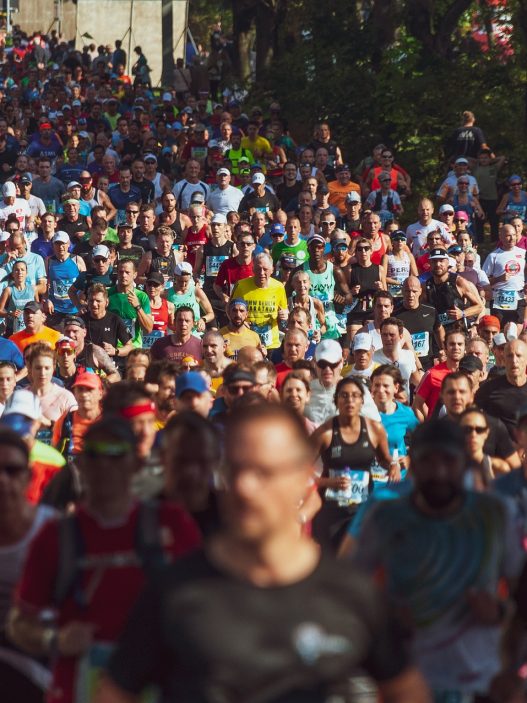
Races transform competition into celebration. From small local 5Ks to major marathons drawing 50,000+ participants, these events create electric atmospheres where collective energy carries runners forward. The shared suffering and triumph create instant camaraderie among participants.
Achievement in running takes many forms. For some runners, it’s earning age group awards or qualifying for prestigious events like the Boston Marathon. For others, it’s completing their first mile without stopping or improving their consistency. Running communities celebrate these victories equally, recognizing that personal achievement matters more than absolute performance.
The post-race atmosphere captures this perfectly. Runners who just competed fiercely against each other share congratulations, tips, and stories at the finish line. This unique blend of competition and support distinguishes running from many other sports and keeps the community thriving.
Running as a Lifestyle Choice
Running transcends being just an activity and becomes a way of life for many enthusiasts. It’s a lifestyle choice that integrates seamlessly into daily routines, offering benefits that extend far beyond physical fitness.
Accessibility and Affordability
Running stands out as one of the most accessible forms of exercise available to almost everyone. All you need is a decent pair of running shoes and comfortable clothes to get started—no expensive gym memberships or fancy equipment required. The financial barrier to entry is remarkably low compared to sports like cycling, golf, or skiing that demand significant investment in gear.
Many runners find that even with occasional shoe replacements (typically every 300-500 miles), the annual cost of running remains minimal. Community resources like public parks, school tracks, and neighborhood sidewalks provide free venues for daily runs. For those seeking structured training, free running plans abound online, offering guidance for everyone from beginners to advanced athletes.
This accessibility extends across socioeconomic boundaries, making running one of the few sports where people from all walks of life can participate equally. I’ve met doctors, teachers, construction workers, and students at local races—all united by their love of running rather than separated by financial constraints.
Flexibility and Convenience
Ever tried scheduling a tennis match with three friends? Talk about a nightmare! Running, on the other hand, fits into life’s craziest schedules. Got 20 minutes before work? Perfect for a quick run. Up before the sun? Lace up those shoes and hit the pavement.
Running adapts to your life, not the other way around. I’ve squeezed in runs between meetings, during lunch breaks, and even while traveling in unfamiliar cities. There’s something liberating about knowing your workout doesn’t depend on facility hours, class schedules, or partner availability.
The beauty of running lies in its simplicity—your front door is your starting line. No commute to the gym, no waiting for equipment, no reservation needed. Feeling spontaneous at 9 PM? You can be running by 9:05.
Weather throwing a wrench in your plans? Runners adapt. Too hot? Run early. Raining? Grab a cap. Snowing? Layer up or hit the treadmill. Unlike team sports or outdoor activities that cancel for bad weather, running offers options for nearly every condition.
This flexibility makes running stick as a lifestyle choice when other fitness routines fail. When life gets busy, runners don’t quit—they just adjust. Five miles becomes three, morning becomes evening, but the run still happens. What other activity lets you maintain fitness through job changes, moves, parenthood, and life’s constant curveballs?
Running for a Cause: Charity and Activism
Running transforms lives far beyond personal fitness goals when connected to charitable causes. I’ve witnessed countless runners find deeper meaning in their miles by supporting organizations they care about. Charity running creates a powerful dual purpose—improving personal health while making a tangible difference in the world.
Marathon majors like Boston, Chicago, and New York offer thousands of charity bibs each year, raising millions for organizations ranging from cancer research to educational initiatives. The London Marathon alone generated £58.4 million for various charities in 2023, making it the world’s largest annual one-day fundraising event.
Many runners tell me they push through tough training moments by remembering the people benefiting from their fundraising efforts. This external motivation often proves stronger than personal goals, especially during challenging races. The accountability of donors expecting you to cross that finish line provides powerful motivation on difficult training days.
Beyond traditional fundraising, running has become a platform for activism and awareness. Runners Against Trash organizes plogging events (picking up litter while jogging) in 42 countries. Back on My Feet uses running to combat homelessness, with 83% of program participants maintaining employment after joining their running teams.
Community-based running initiatives also address social issues directly. Groups like Black Girls Run tackle representation disparities in the sport, creating inclusive spaces for underrepresented communities. These organizations use running as a vehicle for social change, building connections across different backgrounds through shared miles.
The emotional reward of charity running often surpasses the physical benefits. I’ve talked with countless runners who describe feeling their most fulfilled when running represents something bigger than themselves. This purpose-driven approach transforms running from a solitary pursuit into a meaningful contribution to causes that matter.





Really appreciated the section on mental health benefits, Runnivo! Running has been my stress reliever for years. The runner’s high is unbeatable.
Can anyone suggest how to start running w/o feeling overwhelmed? Loved the article btw, makes me wanna lace up and hit the road.
Start with short distances, Jenny! And try a running app; it can be super motivating. Good luck!
While the article highlights the importance of running for physical health, it’s crucial to discuss the risks of overuse injuries. Proper technique, recovery, and gradual progress are keys that shouldn’t be overlooked.
So, running will solve all my problems, huh? Wish it was that easy. Not everyone loves pounding pavement.
The social aspects of running mentioned here are spot-on. My run club has become like a second family. There’s nothing like community to keep you motivated.
Love how running is more than just physical for many of us. Its about that inner peace and clarity. You nailed it with the mental health benefits. Running is meditation in motion for me.