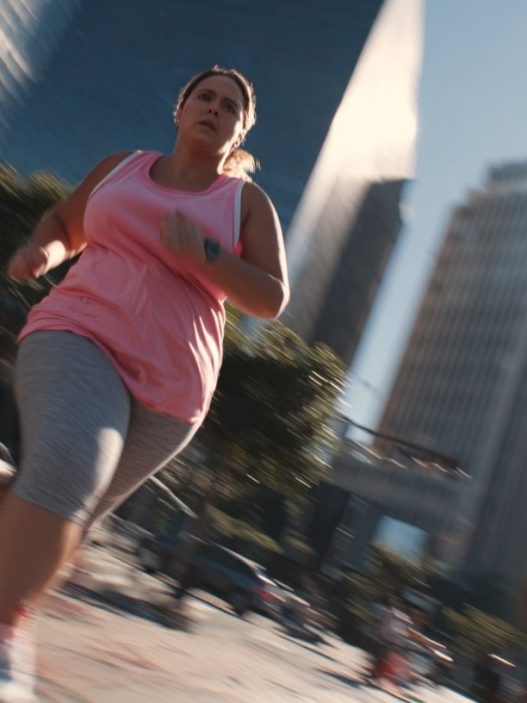
Half marathons have become the sweet spot for runners worldwide—challenging enough to push our limits yet accessible enough for most dedicated training plans. With 13.1 miles (21.1 km) of road ahead, these races offer the perfect balance of endurance and achievability.
Table of Contents
We’ve seen an explosion in popularity of major half marathons over the past decade. From the scenic routes of the San Francisco Half to the electric atmosphere of the Brooklyn Half, these events aren’t just races—they’re celebrations of human potential, often featuring world-class athletes alongside everyday heroes. Many runners use these prestigious events as stepping stones toward full marathons or as destination races worth traveling for.
Choosing the Right Major Half Marathon for Your Running Goals
With thousands of half-marathons happening around the world each year, finding the perfect race requires thoughtful consideration. Selecting an event that aligns with your specific running goals can make the difference between a frustrating experience and a triumphant finish.
Understanding Race Profiles and Course Difficulty
When selecting a half-marathon, the course profile should be your top consideration. Flat courses, such as the Chicago Half Marathon, offer excellent opportunities for setting personal records, making them ideal for runners focused on speed. Meanwhile, the Big Sur Half Marathon presents challenging hills with spectacular ocean views, perfect for those prioritizing the experience over finish time.
Course difficulty factors extend beyond elevation changes. Consider surface types such as road, trail or mixed terrain. The Brooklyn Half Marathon provides a predominantly paved route through urban landscapes, while events like the North Face Endurance Challenge incorporate trail sections that demand different training and footwear choices.
Research the course before registering by checking official elevation maps, reading previous participant reviews and watching course preview videos. Many races now offer virtual course tours that give you a realistic preview of what to expect on race day. We recommend joining online running communities where experienced runners share insights about specific courses that official websites might not mention.
Considering Weather and Timing
Ever tried running 13.1 miles in sweltering heat? Not fun! Weather conditions can make or break your race experience. The Disney Princess Half Marathon in February offers Florida’s milder temperatures, while the Seattle Rock ‘n’ Roll Half typically enjoys comfortable summer conditions.
Race timing affects more than just weather considerations. Think about how a specific event fits into your annual training calendar. Are you using this half as a training run for a fall marathon? The Philadelphia Rock ‘n’ Roll Half in September might be perfect. Looking for an early season motivation boost? Consider the United NYC Half in March.
When do you perform best? Some runners crush morning races while others hit their stride later in the day. Most major half marathons feature early start times around 7 AM, but some evening events like the Las Vegas Rock ‘n’ Roll Half offer unique nighttime experiences. Anyone else struggle with those pre dawn wake up calls on race day?
What about travel logistics? Destination races require planning for time zone changes and travel recovery. Give yourself at least two days before an out of state race to acclimate, especially when crossing multiple time zones or dealing with significant altitude changes.
5 Most Prestigious Major Half Marathons in the United States
Ready to challenge yourself with a prestigious half marathon? The United States hosts some of the most iconic 13.1-mile races that attract thousands of runners each year. These events combine challenging courses, incredible atmospheres, and unforgettable experiences.
New York City Half Marathon
The New York City Half Marathon stands as one of the most coveted race bibs in the country. This spectacular 13.1-mile journey takes runners through the heart of Manhattan, starting in Central Park and finishing in Lower Manhattan. With over 25,000 participants annually, this March race features stunning cityscapes including a car-free Times Square and a breathtaking stretch along the Hudson River. The lottery entry system reflects its immense popularity, with runners often applying multiple years before securing a spot. Race day brings incredible crowd support with New Yorkers lining the streets to cheer on participants through their iconic city.
Rock ‘n’ Roll Half Marathon Series
The Rock ‘n’ Roll Half Marathon Series transforms running into a true celebration across multiple US cities. What makes these events special is the live music experience with local bands performing at every mile marker. The series includes popular destinations like San Diego, Las Vegas, Nashville, and Chicago. Each course showcases its city’s unique character while maintaining the signature Rock ‘n’ Roll entertainment factor. These races attract both serious athletes and casual runners looking for a good time, with approximately 20,000 participants at major locations. The post-race concerts featuring headlining artists create a festival atmosphere that extends the experience beyond just running.
Disney Princess Half Marathon
The Disney Princess Half Marathon offers a magical running experience through Walt Disney World in Florida. This February event allows runners to race through Cinderella Castle and encounter beloved Disney characters along the course. What sets this half marathon apart is its themed experience, with many participants dressing as their favorite princesses. The race weekend includes a health expo, 5K options, and special merchandise. While the course is relatively flat, early morning start times (typically 5:30 AM) present a unique challenge. Disney’s impeccable organization and entertainment value make this one of the fastest-selling half marathons in America, often reaching capacity within hours of registration opening.
Brooklyn Half Marathon
The Brooklyn Half Marathon claims the title of largest half marathon in the country with over 30,000 finishers annually. This May race takes runners from the Brooklyn Museum through Prospect Park and along Ocean Parkway to the finish at Coney Island. The course offers a perfect blend of urban landscapes and park scenery, with a predominantly flat profile after the early hills. What makes this race special is its authentic Brooklyn experience, culminating with finishers celebrating on the iconic Coney Island boardwalk. The post-race party features local food vendors and carnival rides, creating a distinctly New York experience. Registration typically opens in January and sells out within hours, demonstrating its massive popularity.
San Francisco Half Marathon
The San Francisco Half Marathon delivers a challenging yet rewarding experience across the City by the Bay. Runners tackle the city’s famous hills while enjoying breathtaking views of the Golden Gate Bridge, Alcatraz, and the Pacific Ocean. The race offers two half marathon options – the first half crosses the Golden Gate Bridge, while the second half explores the city’s eastern neighborhoods. The July event typically hosts about 15,000 participants between both courses. The technical nature of this race makes it perfect for runners seeking a challenge beyond the typical flat course. The weather adds another element with San Francisco’s famous summer fog often creating cool, ideal running conditions that contrast with most summer races elsewhere in the country.
5 Iconic International Major Half Marathons
Berlin Half Marathon (Germany)
The Berlin Half Marathon attracts over 30,000 runners annually through the historic streets of Germany’s capital. Participants enjoy a flat, fast course passing iconic landmarks including the Brandenburg Gate, Charlottenburg Palace, and remnants of the Berlin Wall. This spring event serves as perfect preparation for those targeting the full Berlin Marathon later in the year. The incredible crowd support and exceptional organization make this race a favorite among international runners seeking a personal best.
Royal Parks Half Marathon (United Kingdom)
The Royal Parks Half Marathon showcases London’s stunning green spaces and historic landmarks. Runners journey through four of London’s eight Royal Parks—Hyde Park, Green Park, St. James’s Park, and Kensington Gardens—while passing Buckingham Palace, Trafalgar Square, and the Houses of Parliament. This October race limits participation to 16,000 runners, creating an intimate atmosphere despite its major status. The autumn foliage transforms the parks into a colorful backdrop, making this event as visually rewarding as it is physically challenging.
Barcelona Half Marathon (Spain)
The Barcelona Half Marathon combines Mediterranean charm with a lightning-fast course that consistently produces impressive times. Runners start near the iconic Arc de Triomf and navigate through the Gothic Quarter, along the beachfront, and past Gaudí masterpieces including Sagrada Familia. February temperatures typically range from 50-60°F, providing ideal running conditions. The enthusiastic local support and post-race celebrations featuring Spanish cuisine make this event a cultural immersion as much as an athletic challenge.
Sydney Morning Herald Half Marathon (Australia)
The Sydney Morning Herald Half Marathon offers a breathtaking tour of Australia’s most famous harbor city. The course loops around Sydney’s central business district, crossing the Sydney Harbour Bridge and passing the Opera House, Royal Botanic Gardens, and Darling Harbour. This May race attracts 12,000 participants who enjoy the moderate autumn temperatures of the Southern Hemisphere. The challenging hills provide a true test for runners while rewarding them with spectacular panoramic views of Sydney’s coastline.
Lisbon Half Marathon (Portugal)
The Lisbon Half Marathon delivers a unique opportunity to run across the magnificent 25 de Abril Bridge spanning the Tagus River. We always tell first-timers they haven’t lived until they’ve experienced the spectacular views of Lisbon’s skyline while suspended 70 meters above water! The March race draws elite runners chasing world records thanks to its predominantly downhill profile. After crossing the finish line, runners can celebrate their achievement with a glass of Portuguese wine and some pastéis de nata—those little custard tarts are absolutely heavenly after burning 1,300 calories! The combination of scenic beauty, speed potential, and Portuguese hospitality makes this race an absolute must for your international racing bucket list.
5 Scenic Major Half Marathons With Breathtaking Views
Big Sur Half Marathon
The Big Sur Half Marathon offers runners one of the most picturesque coastal routes in the world. Running along California’s stunning Highway 1, participants enjoy panoramic views of the Pacific Ocean crashing against rugged cliffs. The course features the iconic Bixby Bridge, where many runners pause briefly for a photo opportunity despite the clock ticking. Weather conditions typically feature morning fog that burns off to reveal crystal blue skies, creating perfect running conditions. This race sells out months in advance due to its limited capacity and immense popularity among scenery-seeking distance runners.
Glacier Half Marathon
The Glacier Half Marathon takes runners through the breathtaking wilderness surrounding Montana’s Glacier National Park. Starting near Whitefish, the course provides spectacular views of snow-capped mountains, pristine alpine lakes, and vast meadows of wildflowers during the June running. Wildlife sightings including deer and eagles often accompany runners along the route. The moderate elevation gain throughout the course presents a worthy challenge, rewarding participants with fresh mountain air and unforgettable vistas at every turn. The crisp morning temperatures warm to perfect running conditions as the sun rises over the mountain peaks.
Seacoast Half Marathon
The Seacoast Half Marathon winds through the charming coastal towns of Portsmouth and New Castle, New Hampshire. Running in November, participants enjoy the spectacular New England fall foliage alongside stunning Atlantic Ocean views. The course takes runners past historic lighthouses, along rocky beaches, and through quaint New England neighborhoods with colonial architecture. Cool autumn temperatures create ideal running conditions while the relatively flat course allows runners to focus on enjoying the scenery rather than conquering elevation. Post-race celebrations feature local seafood and craft beer, completing the authentic New England experience.
Vancouver Half Marathon
The Vancouver Half Marathon showcases the best urban and natural beauty this Canadian city offers. Starting downtown, runners cross the magnificent Lion’s Gate Bridge with panoramic views of the harbor before entering Stanley Park’s lush forest trails. The course continues along the famous Vancouver Seawall, providing uninterrupted ocean views with mountains visible in the distance. Running typically in summer months ensures comfortable temperatures and clear skies to maximize visibility of the surrounding natural beauty. The diverse course featuring cityscapes, forests, and coastal views makes this half marathon a favorite among runners seeking variety in their scenic races.
Lake Tahoe Half Marathon
The Lake Tahoe Half Marathon gives runners a front-row seat to some of the most dazzling alpine scenery in America. Starting in South Lake Tahoe, participants run alongside the crystal-clear blue waters of North America’s largest alpine lake. Surrounded by snow-dusted Sierra Nevada peaks even in summer months, the views literally take your breath away—or wait, maybe that’s just the 6,000-foot elevation! The course features lakeside trails and peaceful forest sections where the only sounds are your footsteps and occasionally a squirrel questioning your life choices. Early morning start times reward runners with stunning sunrise reflections on the lake, creating a magical atmosphere that almost makes you forget you’re voluntarily running 13.1 miles. Almost.
4 Fast Major Half Marathons for Setting Personal Records
Looking to crush your half marathon PR? These six races offer optimal conditions for speed with their flat courses, perfect weather windows, and competitive fields that can push you to your limits.
Houston Half Marathon
The Houston Half Marathon stands out as one of the fastest courses in North America. With its pancake-flat route and typically cool January temperatures, runners consistently clock impressive times here. The course features wide streets with minimal turns allowing for uninterrupted rhythm. Elite athletes often choose Houston for Olympic trials qualifying attempts, creating an electric atmosphere that can pull recreational runners to their best performances. The exceptional organization includes perfectly spaced aid stations and accurate mile markers, letting you focus entirely on your pace rather than logistics.
Valencia Half Marathon
Valencia Half Marathon has earned its reputation as possibly the fastest half marathon course in the world. This Spanish speedway features an incredibly flat course with perfect fall temperatures averaging 55-65°F. The last five world records were set on this lightning-fast route that takes runners through the iconic City of Arts and Sciences. Valencia combines technical advantages like wide boulevards and minimal elevation change with the psychological boost of running where champions have made history. The enthusiastic Spanish crowds line virtually every meter of the course, creating a stadium-like atmosphere that carries runners to the finish.
Copenhagen Half Marathon
Copenhagen Half Marathon delivers Scandinavian efficiency combined with blazing fast potential. This Danish delight features an exceptionally flat course through one of Europe’s most beautiful capitals, with minimal elevation gain throughout the entire route. The September timing offers ideal running conditions with temperatures typically between 50-60°F. Copenhagen’s wide streets allow for easy pacing and positioning even in a crowded field. The exceptional organization includes pace groups for various time goals and precise kilometer markers. The final stretch along the harbor provides the perfect setting for your triumphant sprint finish as you chase that elusive PR.
Philadelphia Half Marathon
Philadelphia Half Marathon transforms the City of Brotherly Love into the city of speedy PRs each November. The course navigates through historic downtown with remarkably flat sections along the Schuylkill River, where runners can lock into their goal pace. Fall temperatures typically range between 40-55°F, providing ideal conditions for pushing your limits. The course layout minimizes challenging hills while featuring long straightaways where you can find your rhythm. Philadelphia offers the perfect combination of big-city energy with efficient organization that elite runners consistently praise. The strategic placement of the event in mid-November means many runners can use it as a peak race after building fitness through summer and fall.
Essential Training Tips for Major Half Marathon Success
Building Your Training Plan
Training for a major half marathon requires structure and consistency for optimal performance. Start by establishing your base fitness level through regular runs at least 12 weeks before race day. Gradually increase your weekly mileage by no more than 10% each week to prevent injury while building endurance.
Include various workout types in your weekly schedule:
- Long runs – Build up to at least 10-12 miles at a comfortable pace
- Tempo runs – Maintain a challenging but sustainable pace for 20-40 minutes
- Speed work – Incorporate intervals like 400m or 800m repeats to improve your lactate threshold
- Easy recovery runs – Allow your body to adapt and recover between harder sessions
Cross-training activities like swimming, cycling, or strength training can complement your running schedule while reducing impact stress. Consider using a training app or joining a running group for additional structure and motivation. Remember that consistency trumps occasional heroic workouts when preparing for a half marathon.
Tapering Strategies Before Race Day
Ready to crush your half marathon? Tapering is your secret weapon! About two to three weeks before race day, start reducing your weekly mileage while maintaining workout intensity. This gives your body time to repair muscle damage and store glycogen for race day.
During your taper, cut your long run distance by 30% three weeks out, 50% two weeks out, and around 60-70% the weekend before your race. Keep some speedwork in your routine but reduce the volume – your legs will thank you later!
Sleep becomes your best friend during taper. Getting those extra zzz’s might feel indulgent, but your body builds strength while you snooze. Feeling antsy with the reduced mileage? That’s totally normal! Channel that energy into visualizing race day success instead of squeezing in extra miles.
What about nutrition? Now’s not the time for diet experiments! Stick with familiar foods while gradually increasing your carbohydrate intake during race week. Hydration matters too – are you drinking enough water throughout the day? Your urine should be pale yellow – nature’s hydration indicator!
What to Expect on Race Day at Major Half Marathons
Race Day Logistics
Race day at major half marathons brings a mix of excitement and nervous energy. Arriving early is non-negotiable, as these events often draw thousands of participants. Most races provide clear instructions about when to arrive, but we recommend getting there at least 90 minutes before the starting gun. This gives you ample time to park, visit the bathroom, check your gear, and find your corral.
Speaking of corrals, major half marathons typically organize runners by expected finish times. These wave starts help prevent course congestion and create a smoother experience for everyone. Your bib number usually indicates your assigned corral, so make sure you line up in the right place to avoid disrupting the flow.
Gear check services are standard at most major events. You’ll receive a designated bag to store your post-race clothing and personal items. The process is typically straightforward: fill your bag, attach the provided tag that matches your bib number, and drop it off at the marked location. Remember that these areas get busy, so factor in extra time if you plan to use this service.
Navigation stations and information booths are strategically placed throughout the event village. These spots are staffed by knowledgeable volunteers who can answer questions about course details, medical services, and meeting points. Don’t hesitate to ask for help if you need it.
Aid stations appear regularly along the course, typically every 1-2 miles. They offer water, sports drinks, and sometimes energy gels or fruit. Many major races publish their aid station locations and offerings in advance, allowing you to plan your personal nutrition strategy accordingly.
Post-Race Recovery
Crossing that finish line feels amazing, but your race day journey isn’t quite over. Most major half marathons roll out the red carpet for finishers with medals, recovery blankets, and a smorgasbord of post-race treats. Grab water first, then slowly make your way through the finisher’s chute to collect your goodies.
Your legs might feel like overcooked spaghetti, but try to keep moving. A gentle walk helps flush lactic acid and prevents blood from pooling in your lower extremities. Many runners swear by the “zombie shuffle” – that awkward half-walking motion that says “I just ran 13.1 miles” without needing words.
Food tents offer everything from bananas and bagels to chocolate milk and pizza. These aren’t just random snacks – they provide the carbs, protein, and electrolytes your depleted body craves. Ever noticed how a plain bagel somehow tastes like gourmet cuisine after a half marathon? That’s your body saying “thank you for the carbs!”
Medical tents stand ready for those who need assistance. Feeling dizzy? Experiencing unusual pain? Don’t play tough guy – the medical professionals are there to help. Most issues are minor and quickly resolved with rest and hydration.
Many races feature recovery zones with foam rollers, massage stations, and stretching areas. Take advantage of these perks! Your future self will thank you when stairs don’t feel like torture devices the next day.
Remember to collect your gear from bag check and connect with your cheer squad at designated meeting areas. Some races even offer shower facilities or changing tents so you can ditch those sweaty clothes before celebrating your achievement.
Frequently Asked Questions
What makes half marathons so popular among runners?
Half marathons offer the perfect balance of challenge and accessibility. They require significant endurance without the extreme demands of a full marathon, making them ideal for both beginners and experienced runners. The past decade has seen major growth in events like the San Francisco Half and Brooklyn Half, which combine athletic achievement with celebration. Many runners use these events as stepping stones to full marathons or choose them as destination races.
How should I choose the right half marathon for my goals?
Consider your primary goal – whether it’s achieving a personal record or enjoying scenic views. Research course profiles: flat courses like the Chicago Half are better for speed, while hilly courses like Big Sur offer beautiful scenery. Check elevation maps, read participant reviews, and join online running communities for insights. Also factor in weather conditions, timing within your annual training plan, and travel logistics for destination races.
What are some of the most prestigious half marathons in the United States?
The top US half marathons include the New York City Half (featuring an iconic Manhattan course), the Rock ‘n’ Roll Series (known for live music), the Disney Princess Half (offering a magical Walt Disney World experience), the Brooklyn Half (the nation’s largest), and the San Francisco Half (featuring challenging hills with stunning city views). Each event has a unique atmosphere and attracts thousands of runners annually.
Which international half marathons are worth traveling for?
Standout international events include the Berlin Half Marathon (flat course past historic landmarks), Royal Parks Half in London (showcasing green spaces), Barcelona Half (fast Mediterranean course), Sydney Morning Herald Half (harbor views), and Lisbon Half (featuring the 25 de Abril Bridge). These races combine athletic challenge with cultural immersion, making them bucket-list worthy for serious runners.
What are the most scenic half marathons to run?
The most beautiful courses include Big Sur Half (California coastal views), Glacier Half (Montana wilderness), Seacoast Half (New Hampshire coastal towns), Vancouver Half (urban and natural beauty), and Lake Tahoe Half (alpine scenery). These events appeal to runners seeking both physical challenge and stunning landscapes, offering unforgettable visual experiences throughout the 13.1-mile journey.
Which half marathons are best for setting a personal record?
The fastest courses include Houston Half (flat course, cool temperatures), Valencia Half in Spain (possibly the world’s fastest), Copenhagen Half (beautiful with ideal conditions), and Philadelphia Half (flat historic downtown route). These races feature minimal elevation changes, optimal weather conditions, and supportive crowds – all factors that contribute to achieving personal best times.
How far in advance should I start training for a half marathon?
Begin structured training at least 12 weeks before race day, with a base fitness level already established. Gradually increase your weekly mileage, incorporate various workout types (long runs, tempo runs, intervals), and consider cross-training to enhance performance while reducing injury risk. The most successful training plans balance progressive challenge with adequate recovery time.
What is tapering and why is it important before a half marathon?
Tapering is the strategic reduction of training volume in the final weeks before race day. Typically, reduce your mileage while maintaining workout intensity during the 2-3 weeks before the race. This allows your body to recover fully while maintaining fitness. Prioritize sleep, stick with familiar nutrition, and stay well-hydrated during this period to ensure you’re at peak readiness on race day.
What should I expect on race day at a major half marathon?
Arrive early to navigate logistics like parking, gear check, and finding your assigned corral based on expected finish time. Expect aid stations every 1-2 miles offering water, sports drinks, and sometimes energy gels. After finishing, keep moving to aid recovery and take advantage of post-race amenities including food, medical assistance, and recovery zones. Most major events are well-organized with clear signage and volunteer support.
How do weather and timing affect half marathon performance?
Weather significantly impacts performance – ideal conditions are 45-55°F with low humidity and minimal wind. Events like the Disney Princess Half offer milder temperatures, while summer races require heat acclimation strategies. Consider how the race timing fits into your annual training calendar and seasonal fitness peaks. For destination races across time zones or at altitude, allow extra days for acclimatization.