


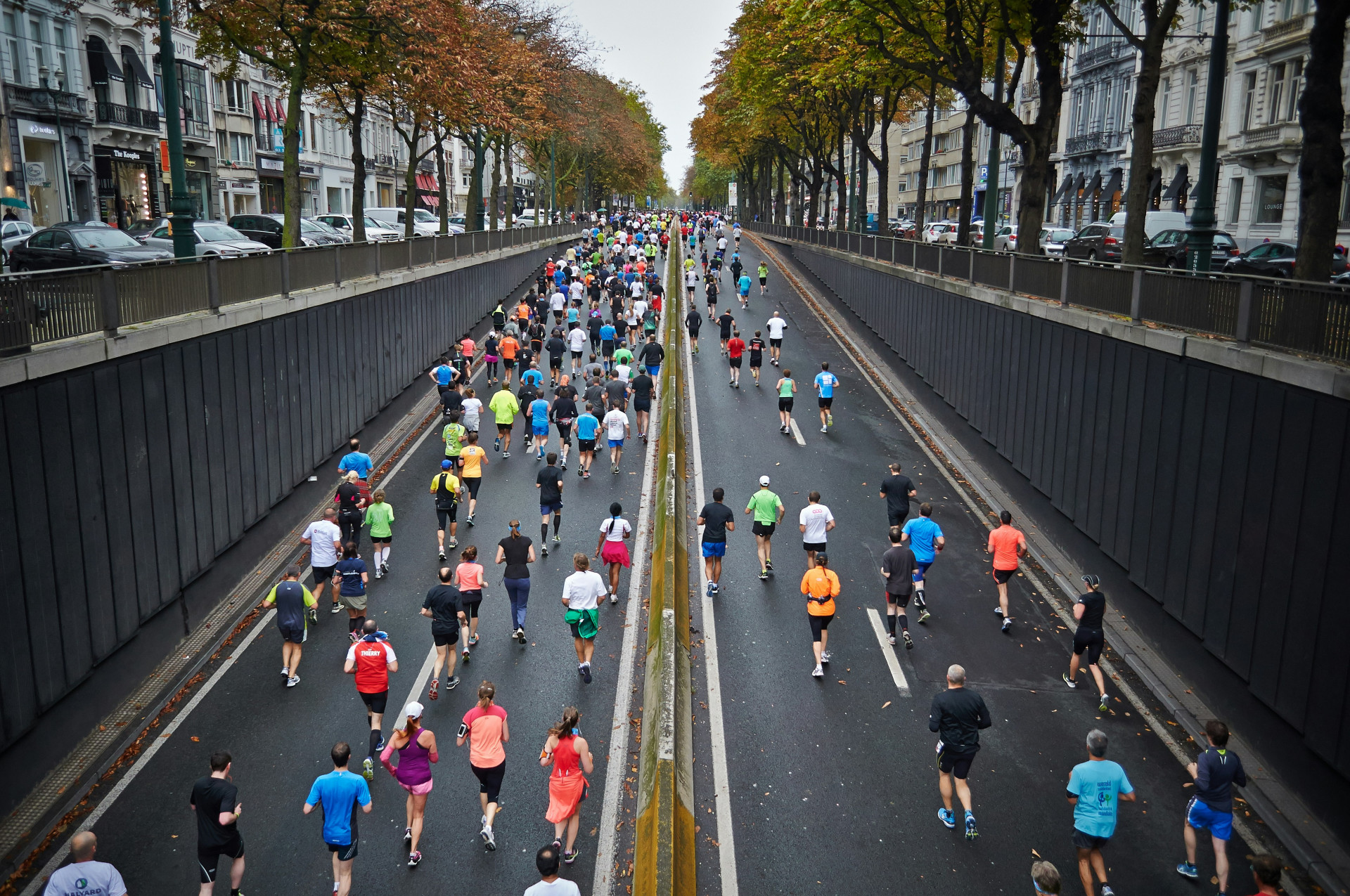
Running a half marathon is no small feat, and if you’re like me, you probably wonder what a good finishing time looks like. Whether you’re a seasoned runner or a newbie gearing up for your first race, knowing the average half marathon times can help set realistic goals and track your progress.
Table of Contents
Understanding Average Half Marathon Times
Ever wondered if you’re running at a pro-level pace or more like a sleepy tortoise? Knowing average half marathon times can help set the bar. But let’s dive into what those numbers mean and how you compare. Feel free to grin here—it’s all part of the fun!
Average Finish Times for Men and Women
On average, men complete half marathons in about 1:45 to 2:10, while women usually finish in 2:00 to 2:30. These times give a solid benchmark if you’re wondering how you stack up against others.
Categories of Runners
There are different brackets to consider. Here’s a breakdown:
- Elite Runners: Clocking in around 1:10 for men and 1:20 for women
- Experienced Runners: Finishing at 1:30 to 1:50
- Recreational Runners: Completing the course in roughly 2:00 to 2:30
So, where do you see yourself? Take a second to imagine your spot in the lineup.
Factors Affecting Times
Several things influence your pace:
- Fitness Level: Your overall fitness
- Course Layout: Hilly vs. flat
- Weather Conditions: Sweltering heat or a breezy day
Think about your last run. Did the blazing heat make you feel like melted ice cream?
Improving Your Time
Want to shave off those extra minutes? Here are some tips:
Factors Affecting Half Marathon Times
If you’ve ever wondered why marathon times can be all over the place, you’re in the right spot. Let’s dive into what makes or breaks your half marathon time apart from just the shoes on your feet.
Age and Gender
Ever tried racing a 21-year-old? Age plays a big role in how fast you might run. Runners in their 20s and 30s often post the quickest times. By the time you hit your 40s and beyond, it takes a bit more oomph to keep up. Women, interestingly, tend to close the gap in longer races. It’s true. According to data, women generally perform better or on par with men in endurance events after some age. Who knew, right?
Training and Experience
How much you’ve trained matters a ton. If you just woke up one day and decided, “Hey, let’s run a half marathon,” don’t expect to break any records. Those who train consistently and have a few races under their belts can clock significantly faster times. More mileage, speed work, and proper recovery lead to better results. Ever hit the wall? Veterans usually know how to dance around that wall thanks to their experience.
Course Difficulty
Ever run a race that felt like climbing Everest? Course layout can make a huge difference. Flat, paved routes tend to yield the best times. Throw in hills, trail runs, or cobblestone streets, and your time can take a hit. If you’re eyeing a PR (personal record), picking a flatter course might be the way to go. It’s not just about running; it’s also about where you’re running.
Weather Conditions
Weather can seriously mess with your mojo. Cool, dry days are a runner’s dream. But if it’s blazing hot, humid, or windy, expect your time to suffer. Sometimes, it feels like Mother Nature wants you to slow down. Ever tried running through a downpour? Fun, but not fast. Always check the weather forecast before race day, and if it’s going to be a scorcher, hydrate, and adjust your expectations.
Feeling ready to take on a half marathon? Keep these factors in mind, and you’ll have a better idea of what to expect when you lace up those running shoes. Got any quirky race stories? I’d love to hear them.
Global Average Half Marathon Times
Curious about how your half marathon times stack up against others worldwide? Keep reading to find out!
By Age Group
Ever wondered how age impacts those race times? Younger runners (teenagers) usually clock in faster times compared to older age groups. They often finish around 1:45 to 2:00 hours. Those in their 30s and 40s, who are seasoned but still spry, average between 2:00 and 2:20 hours. As age increases, the times generally slow down. It’s totally normal, so anyone over 50 may find their times closer to the 2:30 to 3:00-hour range. Next time you’re at a race, look around and see if these averages hold true. It can be quite reassuring!
How to Calculate Your Expected Half Marathon Time
Wondering how long it might take you to finish that half marathon? Let’s break it down so you can set some realistic goals and maybe even surprise yourself on race day.
Using Previous Race Times
Have you run a race before? Your last 5K or 10K can give you some good clues. Usually, you can use your 5K or 10K pace to predict your half marathon time. Just take your 5K time, multiply it by 4.67, and boom. Got a 10K time instead? Double it and add 20 minutes. Not running math in your head yet? Well, it’s easier than it sounds, and surprisingly accurate.
Predictive Running Calculators
Ever played with those online running calculators? They’re like little fortune tellers for runners. Punch in your recent race times, and they’ll spit out your estimated half marathon time faster than you can get your running shoes on. Some good ones to try include McMillan’s Running Calculator and the Runner’s World Race Time Predictor. Just remember, it’s all in good fun, and real life often has a way of throwing curveballs, even at our best-laid plans.
Tips to Improve Your Half Marathon Time
Looking to shave some minutes off your half marathon time? Let’s dive into some practical tips and tricks. Ready to hit new personal records? Let’s break it down.
Training Programs
A good training program is the backbone of improvement. Ever wonder why some folks seem to coast through 13.1 miles? It’s a mix of hard work and smart training. Here’s how to get there:
- Consistent Mileage: Build a regular running schedule. Consistency trumps occasional long runs.
- Quality Over Quantity: Incorporate interval training, tempo runs, and long runs. Mixing up your routine keeps it interesting and effective.
- Recovery Time: Don’t skimp on rest days. Your muscles repair and grow on these days, making you stronger.
Feel like procrastinating on runs? Remember, every mile brings you closer to that new personal best.
Nutrition and Hydration
Ever heard “you are what you eat”? Well, it’s spot on for runners. Fueling your body right can make all the difference. Here’s what you need to know:
- Balanced Diet: Aim for a diet rich in proteins, carbs, and healthy fats. Think lean meats, whole grains, and veggies.
- Hydration: Keep those hydration levels up. Drink water regularly and consider electrolyte drinks for long runs.
- Pre-run Fuel: Eating a light meal or snack a couple of hours before a run helps. Opt for something easily digestible like a banana or toast with peanut butter.
Feeling sluggish during runs? Check your diet and hydration – it might be the missing piece.
Race Day Strategies
Race day jitters? We’ve all been there. But with a bit of planning, you can turn those nerves into excitement. Here are some race day strategies to keep in mind:
- Pacing: Start slow. You’ll thank yourself later. It’s easy to get caught up in the excitement and go too fast too soon.
- Gear Check: Lay out your clothes, shoes, and race bib the night before. No one likes a last-minute scramble.
- Mental Game: Stay positive. Break the race into smaller sections and tackle them one at a time.
Ever found yourself gassed out halfway through? Stick to your plan, and you’ll cross that finish line strong.





I found the section on ‘Improving Your Time’ incredibly helpful, it’s always great to see comprehensive advice that goes beyond the usual platitudes. The emphasis on targeted training programs resonated with me. It’s clear that understanding your body’s needs and gradually increasing your training intensity is fundamental. Does anyone have any specific programs they’ve tried that align with this advice? I’m looking to overhaul my training regimen for the upcoming season.
Regarding the section on ‘How to Calculate Your Expected Half Marathon Time’, I’m curious about the most reliable predictive running calculators available today. Can anyone share their experiences with specific tools or apps? I’ve been experimenting with a couple, but the accuracy seems to vary quite a bit. It’d be interesting to hear what others are using and how they compare to the actual race times.
I’ve been using RunCalc, and it’s been pretty on point for my last few races. It considers your training pace and volume, which I think helps with the accuracy. Definitely worth a try if you’re still looking.