


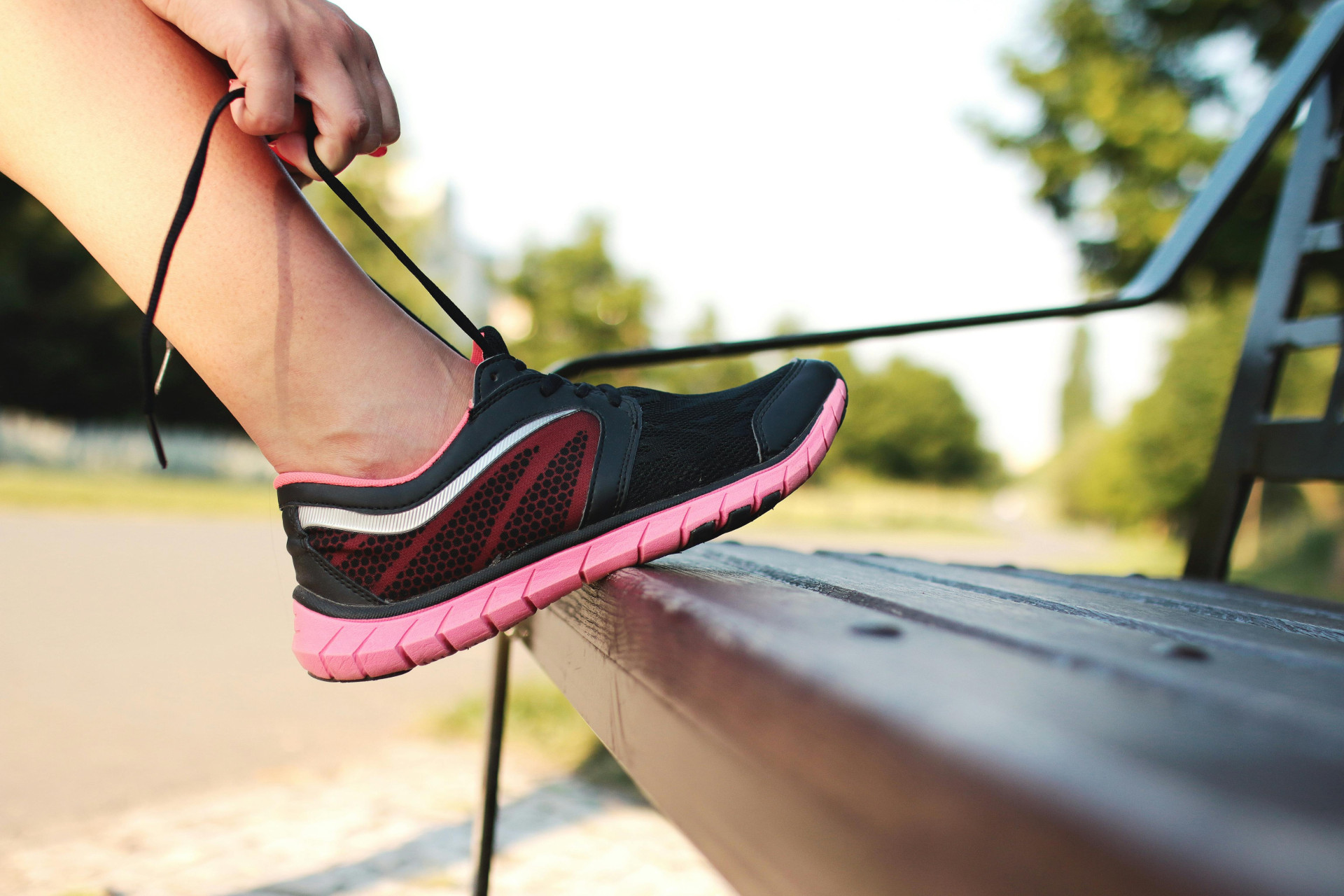
Running a 5k is an incredible achievement, whether you’re a seasoned runner or just starting out. I remember my first 5k and the mix of excitement and nerves that came with it. One question that often pops up is, “What’s an average 5k time for women?” It’s a great question because it helps set realistic goals and track progress.
Table of Contents
Importance Of Understanding Average 5K Times
Ever wondered how your 5K time stacks up? Knowing the average 5K times for women can give some perspective on your own performance. It’s not just about numbers; it’s about setting goals and seeing progress.
If you’ve ever crossed the finish line, you’re likely curious about where you stand. Comparing your time to the average helps set realistic yet challenging goals.
But why stop there? Understanding these times also helps in planning your training sessions. When I started, I didn’t have a clue how fast or slow I was. Knowing the average would’ve saved me tons of guesswork.
Got friends running too? Knowing the average can stir up some fun competition. Nothing wrong with a little friendly rivalry to boost motivation, right?

Reflect on your last race. Were you above or below the average time? Use that info to tweak your training. If you’re close to the average, maybe it’s time to push a bit harder next time. If you’re already beating it, how about setting a new personal best?
So the next time you’re lacing up, having a benchmark in mind won’t hurt. It might just turn those solitary runs into mini-challenges against your own stats. Let’s keep it fun, motivating, and all about improving together.
Factors Affecting 5K Performance
Age
Everyone always says, “Age is just a number.” Well, tell that to my aching knees! Age can seriously impact your 5K time. Younger runners often have the edge with quicker recovery times and more energy. But hey, experience matters too. Older folks can still crush it, sometimes even outpacing the young guns!
Fitness Level
Ever tried running after stuffing yourself at Thanksgiving? Not fun. The shape you’re in makes a huge difference in how you’ll perform. Regular workouts, a balanced diet, and enough sleep all play into this. If your fitness game is strong, you’re more likely to hit better times.
Training and Experience
Winging it on race day? Probably not a great plan. Training’s where it’s at. Those who’ve clocked in miles and worked on their endurance usually see quicker times. Experience counts too. Knowing how to pace yourself, when to push, and when to hold back can be game-changers.
Course Terrain and Weather Conditions
Ever thought about running shoes with cleats for muddy courses? Just kidding. But seriously, the course itself can mess with your time. Trails, hills, and road surfaces all add their own challenges. And the weather? It’s like nature’s wildcard. Hot, cold, or windy conditions can either help or totally mess up your game plan.
Average 5K Times For Women
Ever wondered how your 5k time stacks up against other women? Curious to see where you stand and maybe set some new goals? Let’s dive in and break down the average 5k time for a woman.
By Age Groups
Age plays a big role in running times. Here’s a quick look at average times by age group:
| Age Group | Average 5K Time |
|---|---|
| 20-29 | 27:30 min |
| 30-39 | 28:00 min |
| 40-49 | 28:45 min |
| 50-59 | 31:00 min |
| 60+ | 34:00 min |
Notice how the times slightly increase as the age groups go up. It’s all about finding your own pace.
Comparison With Men’s Average Times
You might be wondering how these times compare with men’s 5k times. Here’s a quick comparison:
| Age Group | Women | Men |
|---|---|---|
| 20-29 | 27:30 | 24:00 |
| 30-39 | 28:00 | 24:30 |
| 40-49 | 28:45 | 25:30 |
| 50-59 | 31:00 | 27:00 |
| 60+ | 34:00 | 30:00 |
See the difference? Don’t stress. Men’s times are naturally faster due to biological differences. Your focus should be on beating your own records.
Beginners Vs. Experienced Runners
Thinking about your first 5k or a seasoned runner aiming for a new personal best? Check this out:
- Beginners: Often run a 5k in around 30-40 minutes. For example, first-timers may find themselves aiming closer to the 40-minute mark.
- Experienced Runners: Typically clock 20-30 minutes. Those with more mileage under their belts usually hit times in the lower end of this range.
Remember, everyone starts somewhere. Even the fastest runners were beginners once. Aim to improve your own time and enjoy the run.
What is a Good 5k Time for a Woman?
A good 5k time for a woman can vary depending on a variety of factors including age, fitness level, and training regimen. Typically, a competitive time for a female runner in a 5k race would be around 20-25 minutes. However, what is considered a good 5k time for a woman ultimately depends on individual goals and abilities.
How To Improve Your 5K Time
Ready to shave some seconds off your 5K time? Here are some tips to get you running faster and stronger.
Training Tips
Consistent training is key. First, focus on speed work. Hit the track for interval sessions, alternating between sprinting and jogging. It’s like a workout game. Aim for 400 meters of sprint, then jog to recover.
Tempo runs can also help. Run at your 5K pace for 20 minutes to boost your endurance. Remember to mix things up with hill training. Hills get those calves burning.
Don’t forget rest. Take recovery days seriously to avoid injuries. Tell me, is Netflix not calling your name?
Nutrition and Diet
Eat right to run right. Your body needs fuel. Carbs are your best friend here but don’t overdo it. Think whole grains, sweet potatoes, and fruit. Protein helps with muscle repair. A piece of chicken or tofu, anyone?
Hydrate like it’s your job. Drink water all day, not just when you’re thirsty. On race days, a banana or some toast with peanut butter does wonders.
Ever tried beet juice? Some studies say it helps with performance. It’s worth a shot, plus you get a cool red mustache.
Recommended Gear
Good shoes matter. Ditch those old sneakers and invest in a pair that suits your foot type. Say goodbye to blisters.
Wear what’s comfortable. Moisture-wicking clothes keep you cool. Also, protect those eyes with some shades if it’s sunny.
How about a running watch? Tracking your pace and heart rate helps monitor progress. And it feels pretty cool too.
Conclusion
Running a 5k is a fantastic way to challenge yourself and experience the joy of achieving personal milestones. Whether you’re just starting out or you’re a seasoned runner looking to improve your time understanding the average 5k times for women and the factors that influence them can be incredibly motivating.
Remember that everyone’s journey is unique, and what matters most is your personal progress. By focusing on consistent training proper nutrition and the right gear you’ll be well on your way to reaching your goals.
So lace up those running shoes, hit the pavement, and celebrate every step forward. Happy running!




Hey so i’m kinda new to running 5Ks and was wondering if the article talks about how much training is enough to see improvement? like, how many days a week should I be running? Cheers!
Hey! Generally, running 3-4 days a week with varied workouts and a rest day in between can really boost your performance. Don’t forget to mix in some strength training and stretching too!
Running a 5K ain’t easy for sure. Just checking but does the article show average times by age? I wanna see how i stack up against others my age.
Actually, for many beginners, understanding how different terrains and weather affect running can be crucial for training. Not everyone knows this from the start.
Right, cause everyone’s born knowing how to run in a blizzard uphill both ways. My bad, chief.